
1,860% Growth In New Users From SI Platforms At İş Bankası
GEO work delivered four-digit growth across users, sessions and page views generated through SI platforms, with 94.8% arriving via ChatGPT.
Client: İş Bankası · isbank.com.tr
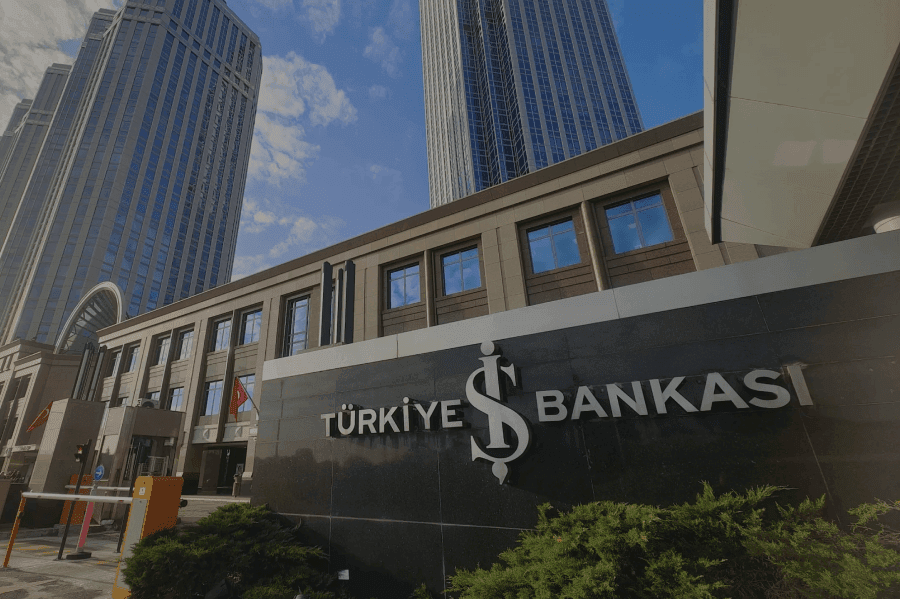
As part of İş Bankası’s Generative Engine Optimization (GEO) journey, the goal was to expand the brand’s digital visibility beyond traditional search engines and position it as a trusted and discoverable source across ChatGPT and other SI-powered platforms.
The GEO initiatives delivered significant year-over-year growth in users, sessions, and page views generated through SI platforms.
Project Objective
The primary objective of the project was to extend İş Bankası’s digital visibility beyond conventional search engines and strengthen the brand’s presence across SI-powered search and answer engines.
A comprehensive GEO strategy was developed by analyzing how platforms such as ChatGPT discover, interpret, reference, and recommend content to users.
The project focused on:
- helping SI platforms understand the brand more accurately,
- making content more suitable for direct answers to user questions,
- strengthening semantic relationships between the brand, products, and services,
- increasing referral traffic generated by SI platforms.
Results
The impact of the GEO initiatives was clearly reflected in traffic generated through SI platforms.
Compared with the same period in the previous year:
- New users from SI platforms increased by 1,860%
- Total sessions from SI platforms increased by 1,210%
- Total page views generated by SI platforms increased by 1,160%
- 94.8% of users arriving from SI platforms came through ChatGPT
These results demonstrate that SI platforms are no longer only an emerging visibility channel, but are increasingly becoming a measurable acquisition channel capable of driving users directly to websites.
1,860% Increase in New Users from SI Platforms
Following the GEO initiatives, the number of new users arriving at the website through SI platforms increased by 1,860% year over year.
This growth indicates that the brand became significantly more discoverable within generative SI ecosystems and that users were increasingly being directed from SI-generated answers to İş Bankası’s digital properties.
1,210% Increase in SI-Driven Sessions
Total sessions generated through SI platforms increased by 1,210% compared with the previous year.
This result shows that GEO efforts did not simply improve brand visibility within SI-generated responses, but also successfully translated that visibility into measurable website visits.
1,160% Increase in SI-Driven Page Views
The total number of page views generated by users arriving through SI platforms increased by 1,160%.
The fact that users continued interacting with additional content after arriving from SI platforms indicates that GEO contributed not only to traffic acquisition, but also to the broader on-site user journey.
94.8% The Leading Source of SI Traffic: ChatGPT
Among the SI platforms analyzed, ChatGPT became the leading source of traffic, accounting for 94.8% of users arriving through SI platforms.
This data highlights ChatGPT’s growing role as an important touchpoint for brand discovery, information search, and website referral.
As user behavior evolves, visibility within traditional search engines is no longer the only priority. Being recognized and referenced as a reliable source within generative SI answers is becoming an increasingly important component of digital visibility.
GEO Initiatives
The GEO strategy was approached as an integrated process covering technical infrastructure, content, semantic relationships, and SI visibility rather than as a standalone optimization activity.
Key initiatives included:
- Conducting SI accessibility and technical infrastructure analyses to make content easier for SI systems to discover and understand
- Identifying the questions users may ask across ChatGPT and other generative SI platforms
- Developing content around questions, topics, entities, and user intent clusters, rather than focusing solely on keywords
- Structuring content so that SI systems could extract clear, contextual, and direct answers
- Strengthening semantic relationships between the brand, sub-brands, products, and services
- Improving structured data and entity relationships
- Analyzing queries in which the brand appeared or did not appear within SI-generated answers
- Identifying visibility gaps and converting them into new GEO content opportunities
- Continuously monitoring referral traffic from ChatGPT and other SI platforms
- Measuring GEO performance through user, session, and page-view metrics
From Search Engines to Answer Engines
The way users discover information is changing.
In the traditional search journey, users entered a query, reviewed a list of search results, and then selected a website.
With generative SI platforms, users increasingly ask their questions directly to systems such as ChatGPT and receive synthesized answers within a single interface.
This shift creates a new visibility opportunity for brands:
Beyond ranking in search results, brands now need to become part of the answer itself.
The GEO strategy developed for İş Bankası focused on strengthening the brand’s position within this emerging search and discovery behavior.
Collaboration Approach
GEO was not treated as a one-time technical optimization project, but as an ongoing process designed to adapt to the rapidly evolving SI search ecosystem.
The collaboration between Webtures and İş Bankası focused on:
- continuously analyzing SI search behavior,
- identifying new user question clusters,
- discovering new content opportunities,
- implementing technical and semantic improvements,
- and continuously measuring performance.
Through this approach, GEO evolved from a visibility-focused initiative into a measurable digital growth channel capable of generating real traffic.
Conclusion
Through the GEO initiatives, İş Bankası significantly strengthened its visibility across SI-powered search and discovery platforms.
Compared with the previous year, the project delivered:
1,860% growth in new users,
1,210% growth in sessions,
1,160% growth in page views.
The fact that 94.8% of SI-driven users came through ChatGPT also demonstrates the growing importance of generative SI platforms in brand discovery and financial information searches.
These results show that GEO is no longer merely an investment in future visibility.
It is already becoming a measurable digital growth channel capable of generating users, traffic, and new brand touchpoints today.