
Lossless Migration And 303.6% Impression Growth At Çelebi Aviation
The platform migration preserved organic traffic and went further: non-brand impressions rose 303.6% and SI-driven users grew 64.5%.
Client: Çelebi · celebiaviation.com
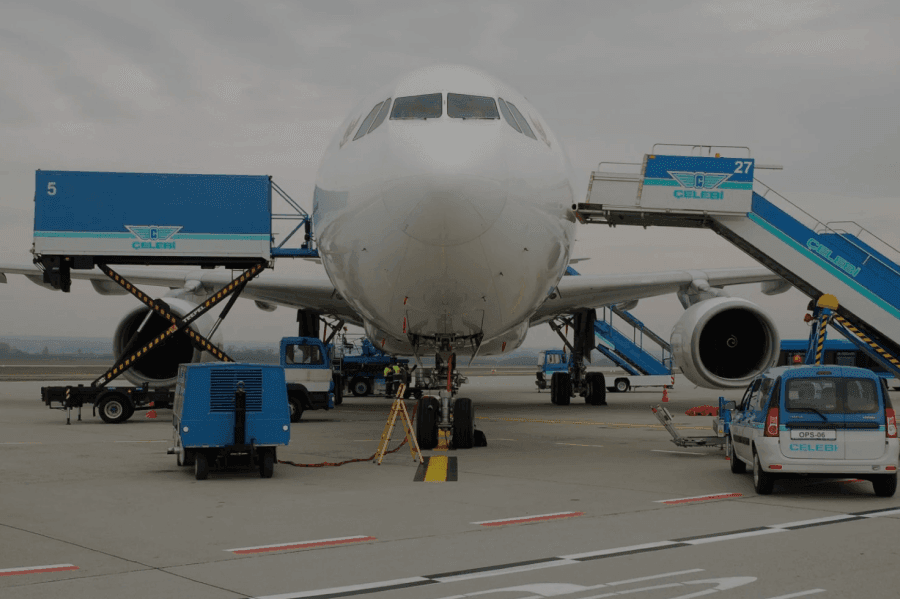
Çelebi Aviation’s website infrastructure and design transformation, launched on May 7, 2026, was completed without any loss in organic visibility through technical SEO and GEO initiatives managed by Webtures. Following the migration, organic traffic was not only preserved but increased across both traditional search and SI Search channels.
During the project period and following the website infrastructure migration, non-branded impressions increased by 303.6%, non-branded organic clicks by 32.7%, and SI-referred users by 64.5%.
Çelebi Aviation: About the Project
Çelebi Aviation is a well-established international brand providing aviation services across multiple geographies. Its website infrastructure and design were renewed to meet evolving digital requirements and support the company’s global operations.
The most critical priority during this transformation was to transfer the website’s existing organic visibility, rankings and traffic to the new infrastructure without disruption. Through technical SEO controls managed by Webtures, the migration was completed successfully, and the new platform became a stronger foundation for sustainable growth.
Çelebi Aviation: Objectives
The project’s primary objectives were to:
- Complete the infrastructure and design migration without losing organic traffic.
- Preserve and transfer existing SEO value and search visibility.
- Increase reach across non-branded searches.
- Strengthen international organic visibility.
- Align the new website with SI Search and GEO requirements.
- Convert visibility on generative SI platforms into measurable website traffic.
Çelebi Aviation: Strategy
The strategy developed for Çelebi Aviation went beyond a conventional website migration. The entire transformation was planned to improve technical SEO, user experience and GEO performance together.
The project included:
- Transferring existing organic value to the new infrastructure.
- Reviewing URLs, redirects, indexability and crawlability.
- Monitoring critical technical SEO components before and after the migration.
- Helping search engines discover, crawl and interpret the new website structure correctly.
- Implementing optimisations designed to expand non-branded search visibility.
- Improving content and page structures for better interpretation by SI Search systems.
- Continuously measuring organic and SI-referred traffic performance.
Çelebi Aviation: Organic Search Results
Organic Growth Following the Migration
No organic performance loss was recorded following the infrastructure and design transformation launched on May 7, 2026. During the first 28 days after the migration:
- Organic clicks increased by 26.7%
- Organic impressions increased by 85.2%
These results demonstrate that Çelebi Aviation’s existing organic performance was successfully protected throughout the migration while establishing immediate post-launch growth.
Growth Across Non-Branded Searches
The three-month comparison revealed an even stronger increase in searches that did not include the brand name:
- Organic clicks increased by 32.7%
- Organic impressions increased by 303.6%
- This represented an improvement of 15.3 ranking positions.
Despite this decline, the 32.7% increase in clicks shows that the expanded reach generated additional organic traffic. The next phase therefore prioritised CTR optimisation while protecting the visibility gains already achieved.
Çelebi Aviation: GEO and SI Search Results
Converting SI Visibility into Website Traffic
The new infrastructure supported more than conventional search-engine performance. It also strengthened Çelebi Aviation’s visibility across generative SI platforms.
Traffic referred from SI platforms also recorded substantial growth:
- SI-referred users increased by 64.5%
- SI-referred sessions increased by 52.4%
- Page views increased by 49.3%
These results demonstrate that the visibility achieved through GEO initiatives went beyond brand awareness and translated directly into measurable website traffic.
Çelebi Aviation: Results Achieved
The infrastructure transformation and integrated SEO & GEO programme managed by Webtures delivered the following outcomes:
- The infrastructure and design migration was completed without organic traffic loss.
- Organic clicks and impressions increased following the migration.
- Non-branded impressions grew to more than four times their previous level.
- Average ranking performance improved significantly.
- Organic reach expanded across a broader range of searches.
- SI Search visibility translated into measurable growth in users and sessions.
- A sustainable digital infrastructure supporting both SEO and GEO was established.
Çelebi Aviation: Conclusion
Çelebi Aviation’s website infrastructure and design migration was transformed from a potentially high-risk process into a measurable growth opportunity.
Technical SEO controls protected the website’s existing organic visibility, while post-migration organic clicks increased by 26.7%, non-branded impressions rose by 303.6%, and SI-referred users grew by 64.5%.
As a result, Çelebi Aviation’s new website now operates on a robust SEO and GEO foundation that preserves its established organic value, reaches a broader audience through non-branded searches and generates qualified traffic from SI Search platforms.